
Creating a Budget That Actually Sticks
A practical method for budgeting that doesn’t feel restrictive. Most young adults find traditional budgets boring — we’ll show you a better way.
Learn to read the numbers that tell your financial story. We’ll break down every section so you know exactly where your money goes.


Your bank statement isn’t just a piece of paper or a PDF you file away. It’s actually your financial diary. Every transaction tells a story about where money came from and where it went.
Most young adults glance at their balance and move on. But if you really want to understand your spending habits and build better financial control, you need to read deeper. We’re going to walk through every section so nothing feels confusing.
Your statement starts with basic info. You’ll see your account number (partially hidden for security), statement period, and the date it was generated. Some people skip this, but it’s your proof of when the statement covers — usually 30 days.
Then comes the balance section. You’ll see your opening balance (what you had at the start), closing balance (what you have at the end), and sometimes available balance. Available balance is important — it’s what you can actually spend right now, which might be different from your current balance if you have pending transactions.
The transaction list is where most of the action happens. Each line shows the date, description, and amount. Deposits are usually shown as positive numbers, withdrawals as negative. You’ll see everything from salary deposits to coffee purchases to online transfers.

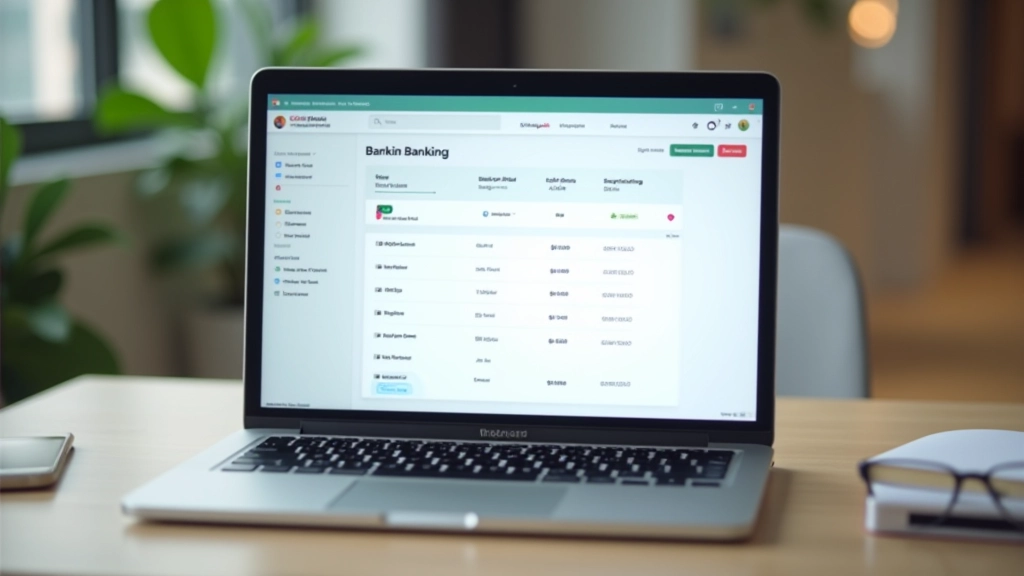
Fees are one thing people miss on statements. You’ll see them listed as separate transactions — things like “monthly maintenance fee”, “ATM withdrawal charge”, or “overdraft fee”. They’re small but they add up. Some banks charge $2-5 per month just for having an account, or $1-3 every time you use an ATM outside their network.
The important part? Most of these fees are avoidable. If you keep a minimum balance or set up direct deposit, many banks waive the monthly fee. Using in-network ATMs eliminates those charges. Once you see where fees are coming from on your statement, you can make changes.
Don’t ignore small charges thinking they don’t matter. A $2 ATM fee every week is over $100 a year. That’s real money you’re losing to something preventable.
Your statement is your protection against fraud. Every month, you should scan through and verify transactions. Look for anything that doesn’t match your memory. A charge you don’t recognize? Amount seems wrong? That’s a red flag.
Go line by line. Your brain recognizes patterns, so unknown merchants will stand out immediately.
Sometimes payments process twice by mistake. If you see the same amount to the same place on the same day (or consecutive days), contact your bank immediately.
Most banks give you 30-60 days to report fraudulent transactions. After that, you might lose protection. Don’t wait.


Here’s where bank statements become powerful. When you sit down with your last 3 months of statements, patterns emerge. You’ll see exactly how much you spend on food, entertainment, transportation. No guessing. Real numbers.
Most young adults find surprises here. Maybe you thought you spent $100 on coffee monthly, but the statement shows $180. Maybe subscriptions you forgot about are still charging you. Maybe you’re spending way more on delivery apps than you realized.
Use your statement as a budget baseline. Categorize your transactions, add them up by category, and that becomes your actual spending. Then you can decide what to cut or keep. It’s real data, not assumptions.
This article is educational in nature and designed to help you understand how to read and interpret your bank statements. It’s not financial advice. Banking practices, fees, and statement formats vary by institution and location. Always consult your specific bank’s documentation or contact their customer service for details about your account. If you suspect fraud or have questions about specific charges, reach out to your bank directly — they’re there to help.
Your bank statement isn’t complicated once you know what you’re looking at. It’s actually your best friend in building financial awareness. When you understand what’s on that page, you’re not guessing anymore — you’re making decisions based on real information about your actual spending.
Start this month. Pull your last statement. Spend 15 minutes reading through it. Highlight anything that surprises you. That’s your starting point. From there, you can build better habits and actually reach your financial goals instead of wondering where the money went.
The power to control your finances? It’s literally right there in your hands. Your statement is just waiting for you to read it.